A garage door can be perfectly balanced, powered by a smooth, quiet opener, and still combat you every early morning if the tracks are also a little wrong. Track positioning is the quiet hero of a well behaving door. When the track is straight, square, and safe, the door glides. When it is not, you listen to scuffing, feel binding, and see a heavy relocating wall surface begin to act unexpectedly. The fix varies from a 10 min tweak to a more involved reset, and recognizing the distinction maintains you risk-free and saves money.
What the tracks actually do
On a conventional domestic garage door, steel tracks guide the rollers as the door travels from upright to straight. Two vertical tracks rest on each side of the opening, protected to the jamb with flag braces. Those verticals contour right into straight tracks that run back right into the garage. The rear of each horizontal is supported by a backhang, generally perforated angle attached to the ceiling joists. Subtle geometry issues below. The upright tracks ought to be plumb and set at a very certain range from the door's edge to offer the rollers just enough side clearance. The horizontal tracks ought to be level side to side, but they do not drift entirely complimentary. They are established with a minor pitch back into the garage to maintain the door snug versus the header when closed.
A quarter inch error at the front of the track can equate to a persistent bind several feet back. Include worn rollers, a sagging header, or a loosened lag bolt, and the issues compound. I have seen a single removed lag screw in a flag brace cause a full inch of drift over a year. The door still moved, however the rollers ate the track lips until they curled like foil.
The reliable indicators your tracks are out of line
You do not require a degree and a laser to suspect imbalance. The door tells you, in sounds and in motion. Right here is a succinct list you can go through in under a minute.
- The door thinks twice, squeals, or grinds in the same area on every cycle, normally near the curve. You see fresh rub marks, steel shavings, or flaked paint on the track lips or rollers. The door spaces on one side when closed, or scrapes the weatherstrip on the other. The opener stress, turns around, or needs abnormally high force despite a well balanced door. A roller regularly trips the side of the track, or pops partway out during travel.
If you have 3 or even more of these symptoms, alignment is worthy of focus prior to the issue rises. Misaligned tracks do not recover. They amplify wear, and they can toss a cable if a roller slips out at the wrong time.
Why tracks wander out of alignment
The reason is seldom mystical. It is usually among a handful of culprits, often two or 3 working together.
Impact is a classic origin story. A slow-moving nudge from a bumper, a yard tractor tire grazing an upright track, or a kid hanging from a handle, all supply lateral pressure the track was not created to take. I once saw a home near Cedar Lake where a minivan's mirror barely clipped the ideal upright. The owner shrugged it off till three months later on when the top area jumped the track, chewing the plastic quit molding.
Hardware loosens up. Lag screws back out of wood, particularly in older jambs that are a bit soft. Resonance from normal procedure cleans small bolts. When one fastener loosens up, the track shifts under lots and every cycle includes a fraction of an inch till rubbing collections in.
Building movement plays a role. Headers droop with time, or seasonal dampness swells and reduces the framework. In Valparaiso and Chesterton, I see more seasonal drift, most likely thanks to lake result dampness and freeze-thaw cycles. A track that was plumb in June finishes the winter season out of square, and the straight sheds its level.
Corrosion and wear adjustment geometry. Pitted rollers do not maintain a clean line. Bent track lips from a previous derailment pinch the rollers. On the various other extreme, someone over-lubed the track with grease, which gathers grit and develops a grinding paste that eats metal and opens tolerances.
Occasionally, the incorrect components being in the appropriate area. An inequality in between track distance and door elevation, or a makeshift backhang with too much flex, produces a chronic imbalance that no quantity of screw tightening can deal with. I saw this in a Merrillville leasing where a previous installer made use of light gauge hardware-store perforated angle for backhangs on a 16 foot shielded door. The backhang bowed under weight each time the door leveled out, moving the track half an inch mid cycle. No surprise the opener's traveling limits were inconsistent.
Finally, bear in mind that spring balance and track placement engage. A door out of balance tons the track differently. The opener covers up the concern for some time by powering via. That is why an owner in Hammond might report, the door functioned fine for years till one day it did not. The imbalance was there, just workable, until balance slid or a screw allow go.
A fast, risk-free diagnostic you can do today
Homeowners can confirm imbalance without touching springs or cables. Concentrate on observation and gentle measurement.
- Disconnect the opener with the launch cable, then raise the door by hand midway. If it binds highly or drifts, quit. That tells you balance or placement issues exist. Look down each vertical track. Utilize your eye as a straightedge to identify kinks, bowed sections, or lips rolled inward. Even a 1/8 inch pinch can journey a roller. Check the space between the door edge and the upright track as you elevate and decrease the door slowly. The clearance ought to remain consistent. See a single roller trip in the track. It ought to stay centered, not scrub one side. Inspect fasteners at the flag brackets and backhangs. A glossy washer imprint or sawdust halo is a hint that something shifted. Place a little level on each straight track. The tracks should be level side to side and pitched slightly down toward the rear of the garage. If one rests greater or reduced near the front, the door will certainly twist.
These actions maintain you away from torsion springtimes and cord drums. If you locate clear activity in the track hardware or apparent bending, you have sufficient evidence to proceed with light corrections or to call a specialist for a complete reset.
Fixes a careful house owner can attempt
Tightening and minor shimming are both risk-free positioning actions for many people. Begin with tightening. With the door fully shut and secured so it can stagnate, snug the lag screws that hold the vertical tracks to the jamb and the bolts that protect the horizontals to the flag braces. Utilize a nut chauffeur and reasonable hand pressure. Do not over-torque. If a screw rotates easily, the wood might be removed. Tip away from improvised solutions like larger screws at weird angles. That fast action usually splits the jamb and makes a future expert repair work harder.
Shimming addresses small plumb or spacing errors. Thin, non compressible shims positioned behind the track braces can real a mild lean or take care of a light rub at one area. The key is micro modifications, one brace at a time, and retesting door traveling by hand after every modification. Objective to maintain the rollers focused, not pinched or drifting as well loose.
Cleaning the track is low danger and high incentive. Clean the within faces and lips with a degreaser to remove caked dirt and sticky residue. Do not rub oil on the repair garage doors rollers or track. A dry, clean track with properly oiled roller bearings is the objective. Utilize a garage door rated lubricating substance on the roller bearings and joints, a couple of drops each. Skip WD 40 as a lubricating substance. It is a water displacer and light solvent, not a lasting lube.
Replace certainly bad rollers. If a roller tire or a wobbly stem, swap it. Nylon rollers with sealed 13 round bearings are a useful upgrade for the majority of property garage doors. They reduce sound and track wear. Expect to pay in the range of 8 to 20 dollars per roller depending on high quality. Replace one by one with the door clamped and the opener detached. If that description increases your pulse, that is an indicator to call a professional.
There is one more house owner pleasant tweak: verify the backhangs are rigid and square. If you see flimsy angle iron twisting, enhance it with heavier scale angle and appropriate through bolts right into framework, not simply drywall supports. Maintain both horizontals at the same height from the header and level to every other. This one adjustment often eliminates a persistent bind at the curve.
Repairs to leave to trained hands
Anything that requires loosening up the flag brace bolts that secure the track to the torsion tube end plates should be dealt with by a service technician. Those brackets frequently share mounting with springtime anchor plates and cable drums. Loosen the wrong fastener and you can release spring tension or allow a cord unspool. The same caution puts on resetting an entire track run, replacing a curved upright from floor to flag brace, or correcting a badly manipulated header that needs carpentry.
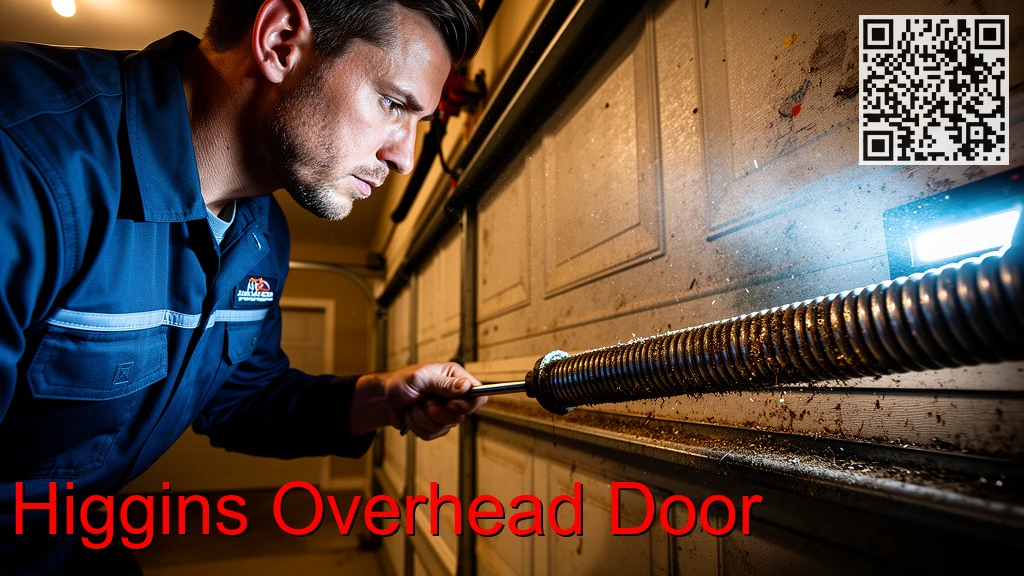
Spring balance improvements are additionally not a do it yourself task. If the door does not hold about waistline elevation when disconnected from the opener, the springs require modification or replacement. Transforming spring torque needs particular tools and practiced control. A missed out on collection screw can send a winding bar across the space much faster than you can respond. I do not say that to scare you. I claim it since I have actually replaced a window in Hobart that a homeowner given up to a flying bar.
Finally, if a roller has repeatedly leapt the track, presume surprise damage. The track lips may be stressed, the hinges may be bent, or the section stile may be broken. A specialist will certainly spot and deal with those stacked troubles in one go to. A piecemeal repair misses out on the root cause.
What it costs to do it right
Prices differ by market and door type, but a sensible variety aids you plan. An uncomplicated track adjustment with tightening, shimming, and minor roller replacement generally lands in between 150 and 350 bucks for an expert Garage Door Solution call. If an upright or straight track area is curved past conserving, components and labor to change can run 250 to 500 bucks per side, more for high or business grade tracks. Full roller replacements on a normal 16 by 7 domestic garage door fall in the 120 to 240 buck array for components and labor, depending on quality.
Hidden carpentry pumps up price. If the header is drooping or the jamb is rotten, a business may estimate 300 to 800 bucks to fix mounting before straightening the track. Expect a standard solution appointment to take 60 to 90 minutes for straightforward positioning, and half a day for architectural fixes or complete track swaps. If the opener has been cranked to high force setups to mask alignment issues, plan on a tune and security reset for the opener as well.
When replacement beats repair
Sometimes it is smarter to quit saving an exhausted system. If the tracks are slim scale, deeply matched, or covered and re-bent several times, replacement supplies better long-term worth. The exact same goes if the door sections are saturated or flaking. A twisted area will continue to deal with even completely established tracks. In those cases, a new set of Residential Garage Doors with proper reinforcement, matched tracks, and top quality Residential Garage Door Openers tightens the whole system. Add Residential Garage Door Accessories like modern safety and security eyes, a wall surface console with vacation setting, and soft beginning openers, and daily procedure comes to be quieter and safer.
Homeowners usually ask if they can reuse an old opener with a brand-new door and tracks. The answer depends on age and condition. Openers older than 12 to 15 years typically do not have current security functions and have worn drive gears. Updating throughout a brand-new Garage Door Installment generally saves labor and avoids compatibility hiccups. If your opener is newer and healthy, a skilled installer can integrate it with a new door and tracks without issue.
Local facts that change the plan
Northwest Indiana provides some particular obstacles. Freeze-thaw cycles in Lake Terminal and Portage swell mounting in winter season, after that relax it in springtime. A track that held true in October may screech in March. In seaside wind areas near Whiting, airborne salt rates rust on rollers and tracks. I see more pitting on the ocean side of homes and garages that host snow-covered cars all winter season. Road salt trickles onto floorings and vaporizes, leaving crystals that strike steel. Cleaning the track lips and all-time low of the verticals a few times each winter makes a concrete difference.
In Crown Point and St. John, more recent construction often uses engineered headers that hold right, however the garage ceilings are greater and backhangs run longer. Long, lightly gauged backhangs flex. Reinforce them with cross braces so the horizontals do not stammer when the door levels out. In Munster and Schererville, older removed garages sometimes have out of square openings. You can align tracks magnificently to an uneven opening and still deal with side rub on one side. In those instances, a little woodworking to true the opening repays greater than a heroic alignment.
Habits that stop misalignment
Make alignment maintenance part of an easy seasonal routine. Two times a year, separate the opener and run the door by hand, listening for brand-new noises and feeling for new rough places. Wipe the tracks clean and use a percentage of appropriate garage door lubricating substance to the rollers, joints, and facility bearing. Take a nut motorist and gently validate that available track bolts are tight. A quarter turn on a loosening lag screw is much less costly than a bent track after a few months of wobble.
Spend one minute on the backhangs. Validate they are stiff, not twisting under the door's weight. If you set up storage racks near the horizontals, ensure nothing calls the tracks. I have seen hanging bikes nudge a track simply enough to create a bind at 7 feet up, unnoticeable from the floor.
Check the image eyes for alignment and cleanliness. While they do not impact track geometry, a misaligned security sensing unit typically results in owners raising opener pressure simply to obtain a persistent door to close. That band aid masks underlying drag from track issues and increases wear.
Finally, protect your vertical tracks from laid-back impacts. Park a foot farther from the door rails if space permits. If youngsters' gear leans near the door, include an easy 2 by 4 bumper rail screwed to the wall so mobility scooters and shovels do not bang the steel.
Myths and common mistakes
Bending the track back with a pipeline looks pleasing on video, yet it curls the lips and hardens the steel along the bend line. The track may look right, after that split later under tons. Change curved areas or use proper track tools that reshape without kinking.
Grease on the tracks is a persistent myth. It brings in grit and forms globs that press rollers off facility. Maintain the track surface areas dry and clean, and oil just the moving bearings and hinges.
Another mistake is loosening up way too many screws at the same time. People totally free all the flag brace screws and both horizontals, then go after a relocating target. Change one location at a time with the door closed and protected. Examination in between adjustments.
The most harmful mistake is touching torsion springs without the ideal bars and training. If you assume spring torque has anything to do with your positioning issue, quit and call an expert. Doors consider between 130 and 350 extra pounds typically. The springtimes hold that weight in prospective energy. Regard that energy.
Choosing the appropriate help
Searches for Garage Door Firms Near Me bring up a lot of names. Right here is what divides a credible Garage Door Provider from an outfit that presumes. They measure, not simply eyeball. They explain the geometry and show you with a degree and tape where positioning is off. They examine rollers, hinges, drums, and wires along with tracks. They provide a written quote that notes parts and labor separately. They carry numerous roller kinds and track assesses on the truck, not simply a global fix-it roll. Demand proof of insurance and inquire about labor warranty. An excellent shop normally provides at least 1 year on workmanship and makes use of parts with supplier warranties.
If you remain in the area, you will certainly discover capable groups for Garage Door Fixing Valparaiso, Garage Door Repair Service Portage, and Garage Door Fixing Chesterton that recognize the regional conditions. The exact same opts for Garage Door Repair Work Crown Factor, Garage Door Fixing St. John, and Garage Door Repair Schererville for areas with taller garages and storage-heavy designs. Urban garages in Garage Door Fixing Hammond and Garage Door Repair service Whiting usually require stout backhang supports and rust resistant rollers. If you are near the lakes in Garage Door Fixing Cedar Lake or in established areas like Garage Door Repair Merrillville, ask about framing checks along with placement. For mixed usage buildings and older stock around Garage Door Repair Work Hobart, Garage Door Repair Service Lake Station, and Garage Door Repair Service Munster, a seasoned technology can iron out decades of split repairs and return the system to square.
Field notes from genuine homes
A property owner in Cedar Lake called after a top roller leapt out three times in a week. The cause was not the roller. A loosened lag at the ideal flag brace let the upright track drift a quarter inch. Every cycle made the leading section rub. We reset and shimmed the appropriate upright, replaced two ovaled rollers, and included a stiff backhang cross support. The door went from scream to murmur in 45 minutes.
In Crown Point, a home builder grade solitary door scratched the vinyl stop hard on cool mornings. The header gauged right, yet the door still moved. We located the horizontals out of level by 5/8 inch over 10 feet as a result of backhangs flexing. Larger scale angle and brand-new with screws solved it. No track flexing was needed, only solid support.
Valparaiso offered us a humidity issue. A detached garage had swelled jambs in late summertime. The proprietor had actually attempted to take care of the rub by loosening the verticals and pulling them in. When the wood shrank in winter, the rollers ran loosened and banged at the curve. We reset the track to specification, added jamb security with PVC stop, and suggested a dehumidifier during peak months. The door stayed consistent throughout seasons.
In Munster, a landlord encountered chronic opener force mistakes. The opener was great. The tracks were manipulated thanks to a previous impact, and somebody had actually made up by cranking the force setting. We trued the tracks, replaced 6 rollers with closed nylon, and established the opener back to risk-free limits. Tenants noticed the silent greater than anything else.
Why alignment is entitled to focus now
Every cycle with misaligned tracks boosts wear on rollers, joints, and also opener drive gears. It adds sound and subtracts safety and security margin. Much more importantly, the risk is uneven. A door could run ten times with a light screech, then instantly bind and throw a cord on the eleventh. If your gut says something is off, it possibly is. A well lined up track benefits you everyday with a straightforward slide, even when the garage is cool, the auto is warm, and you are late.
Whether you tackle the fundamentals yourself or call a pro, the course is clear. Search for the common indications. Confirm with basic checks. Make tiny, mindful corrections where appropriate. Bring in a trained service technician when springtimes, major resets, or replacements get on the table. If you prefer specialist aid, search Garage Door Repair Near Me and try to find service providers with strong evaluations across Hobart, Hammond, Crown Point, Valparaiso, and surrounding towns. The best team will treat track positioning not as a secret, but as a craft, and your garage door will reveal the distinction every single time it rolls.
Higgins Overhead Door 1305 Erie Ct, Crown Point, IN 46307 +12196632231
 Ask ChatGPT
 Ask Grok
 Ask Perplexity
 Ask Claude
 Ask Google AI
 Ask You